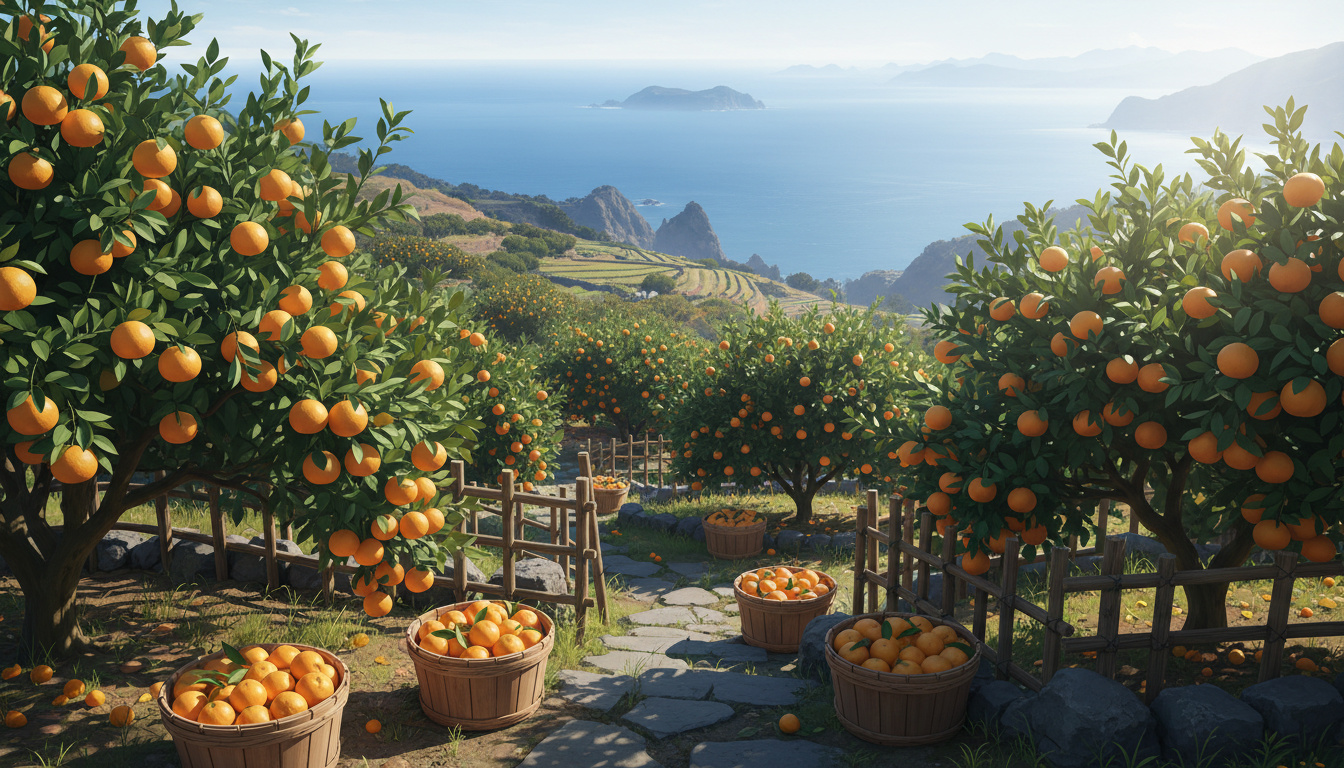

Netflix premiered “When Life Gives You Tangerines” in March 2025, delivering a sweeping romance that spans decades on Jeju Island. The series pairs IU and Park Bo-gum as Ae-sun and Gwan-sik, lovers whose bond endures poverty, familial tragedy, and historical upheaval from the 1950s through the present day.
Directed by Kim Won-seok and written by Lim Sang-choon, the drama adopts a slice-of-life narrative style reminiscent of “Reply 1988” and “Our Blues.” Sources confirm the original Korean title translates from Jeju dialect as “Thank You for Your Hard Work,” grounding the story in regional authenticity.
Released exclusively on Netflix across four consecutive Fridays from March 7 to March 28, 2025, the production utilizes Jeju’s natural landscapes across four seasons to frame its examination of resilience, parental sacrifice, and quiet everyday triumphs.
What defines When Life Gives You Tangerines as a cultural landmark?
When Life Gives You Tangerines
폭싹 속았수다 (Jeju dialect)
IU, Park Bo-gum
Netflix, March 7-28, 2025
- Jeju Linguistic Root: The title derives from Jeju Island dialect, specifically “폭싹 속았수다” (Pokssak sogatsuda), meaning “Thank You for Your Hard Work,” subverting the English “tangerines” metaphor.
- Directorial Pedigree: Kim Won-seok, who directed the acclaimed “My Mister,” helms the project, bringing his signature emotional depth to the period setting.
- Star Power Pairing: The series marks a significant collaboration between IU and Park Bo-gum, both established as top-tier Hallyu performers.
- Historical Scope: Narrative arcs span from the post-Korean War 1950s through the 1997 IMF economic crisis, capturing Korea’s rapid modernization.
- Narrative Structure: Storytelling filters through the perspective of the couple’s daughter, Yang Geum-myeong, offering retrospective generational insight.
- Regional Authenticity: Filming occurred extensively on Jeju Island, utilizing the region’s volcanic landscapes and tangerine groves as central visual motifs.
| Category | Details |
|---|---|
| Genre | Romance, Slice-of-Life, Period Drama |
| Director | Kim Won-seok |
| Writer | Lim Sang-choon |
| Lead Cast | Lee Ji-eun (IU), Park Bo-gum |
| Supporting Cast | Moon So-ri, Park Hae-joon |
| Filming Location | Jeju Island, South Korea |
| Episode Count | 16 episodes (released in 4 weekly volumes) |
| Release Pattern | Every Friday, March 7 through March 28, 2025 |
| Narrator | Yang Geum-myeong (daughter of leads) |
| Original Language | Korean (Jeju dialect featured) |
How do the characters navigate love and loss across decades?
Ae-sun and Gwan-sik’s formative bond
Ae-sun, born in 1951 into poverty on Jeju Island, dreams of escaping to Seoul to become a poet. Gwan-sik, described as “unyielding iron,” devotes himself entirely to her despite their circumstances. Their dynamic anchors the narrative, shifting from youthful rebellion to mature endurance.
The original title “폭싹 속았수다” translates literally to “Thank You for Your Hard Work” in the Jeju regional dialect, not standard Korean. This linguistic choice signals the drama’s deep embedding in island culture and oral traditions, distinguishing it from mainland period productions.
Family tragedies and historical pressures
The couple faces successive hardships including the drowning of their youngest child during a typhoon, their daughter’s relationship failures, and the 1997 IMF financial crisis. MyDramaList records indicate these events frame the series’ examination of parental sacrifice.
The story unfolds through the eyes of Yang Geum-myeong, the couple’s daughter, who grapples with her own guilt regarding her parents’ struggles while eventually finding new love. This retrospective lens allows the series to interrogate memory and generational trauma.
Gwan-sik’s fate and the series’ emotional climax
Gwan-sik eventually dies from cancer, a plot point that punctuates the series’ unflinching portrayal of mortality. This arc emphasizes the “four vibrant seasons” motif, connecting natural cycles with human life spans.
What production elements distinguish the series visually and narratively?
Direction and writing pedigree
Kim Won-seok’s direction, combined with Lim Sang-choon’s screenplay, prioritizes small, everyday moments over melodramatic spectacle. This approach creates what reviewers describe as realistic portrayals of pre-wealthy Korean women’s lives.
Cinematic capture of Jeju Island
The production utilizes Jeju’s distinct geography—from volcanic coastlines to tangerine orchards—to reflect the characters’ internal states. Seasonal shifts correspond to narrative acts, with the island’s harsh winters and abundant springs mirroring the family’s economic and emotional fortunes.
When did the series release and what was the viewing structure?
Netflix deployed the series in a staggered format across March 2025. This release strategy differed from the traditional K-drama broadcast model, allowing global audiences simultaneous access. Kim Seon-ho – Biography, Career and Highlights offers context on the trajectory of Korean actors in streaming-era productions.
Netflix released the series in four weekly volumes rather than all at once. Viewers accessing the series after March 28, 2025, will find the complete 16-episode arc available immediately, but initial viewers experienced a staggered four-week rollout.
- Netflix announces production with IU and Park Bo-gum attached, alongside director Kim Won-seok.
- Official Netflix trailer released, introducing Ae-sun as “the remarkable rebel” and Gwan-sik as “unyielding iron.”
- Volume 1 premieres on Netflix, marking the first of four weekly drops.
- Final episodes release, completing the 16-episode arc. The official trailer established the visual tone for the marketing campaign.
What remained certain versus ambiguous in pre-release information?
| Established Facts | Details Clarified Upon Release |
|---|---|
| Lead casting of IU and Park Bo-gum | Exact episode count (16 total, 4 per weekly volume) |
| Director Kim Won-seok’s involvement | Specific historical events depicted (IMF crisis, typhoon tragedy) |
| 1950s Jeju Island setting | Gwan-sik’s eventual death from cancer |
| Netflix exclusive distribution | Narrator identity as the daughter, Yang Geum-myeong |
| Romance and slice-of-life genre classification | Specific Jeju dialect usage in title and dialogue |
How does the series fit within broader Korean cultural contexts?
The drama emerges from a recent wave of prestige period pieces examining Korea’s developmental decades through personal rather than political lenses. By focusing on a Jeju family, it avoids the Seoul-centric narratives common in media, instead highlighting the island’s unique history as a site of both agricultural labor and natural beauty.
The tangerine functions as multivalent symbolism—representing both the bitter struggles of manual labor and the sweet persistence of family bonds. This agricultural specificity connects to broader themes of food and memory explored in contemporary Korean cinema. The comparison to Tom and Jerry – History Episodes Characters and Where to Watch illustrates how streaming platforms now archive diverse narrative traditions, from global animation to regional live-action drama.
The portrayal of Ae-sun’s poetic aspirations versus her material constraints reflects historical realities for Korean women in the mid-20th century, offering a corrective to romanticized period fantasies.
What are critical assessments of the series’ impact?
The series evokes dramas like Reply 1988 and Our Blues, emphasizing emotional depth and realistic portrayal of pre-wealthy Korean women’s lives through small everyday moments.
— Jaeha Kim, Substack Review
When Life Gives You Tangerines blends romance, parental devotion, and everyday triumphs on Jeju Island across four vibrant seasons, creating a lasting impact on themes of family and resilience.
— MyDramaList Editorial
Summary
When Life Gives You Tangerines delivers a meticulously crafted generational saga that leverages IU and Park Bo-gum’s performances to explore Korean social history through an intimate familial lens. Its Netflix release in March 2025 marked a significant addition to the platform’s Korean content library, distinguished by its Jeju Island specificity and refusal to sentimentalize economic struggle. For viewers seeking context on Korean entertainment figures, Kim Seon-ho – Biography, Career and Highlights provides additional industry perspective.
Frequently Asked Questions
What does the Korean title 폭싹 속았수다 mean?
The phrase comes from the Jeju Island dialect and translates to “Thank You for Your Hard Work,” not standard Korean. It reflects the region’s distinct linguistic heritage.
Is When Life Gives You Tangerines based on a true story?
The series is a fictional narrative written by Lim Sang-choon. While not based on specific real individuals, it draws from the collective historical experiences of Jeju families during Korea’s modernization period.
How many episodes are in the series?
The drama comprises 16 episodes, released in four weekly installments of four episodes each from March 7 to March 28, 2025.
Where was the filming primarily located?
Production filmed extensively on Jeju Island, utilizing the volcanic landscapes, coastal areas, and agricultural settings including tangerine groves to establish authentic regional atmosphere.
How does this relate to the drama My Mister?
Director Kim Won-seok previously directed My Mister (2018). When Life Gives You Tangerines shares that series’ contemplative tone and interest in economic struggle, though it is a separate narrative with a different writer.
Who provides the narration throughout the series?
The story is narrated by Yang Geum-myeong, the daughter of Ae-sun and Gwan-sik, who reflects on her parents’ lives from a contemporary perspective while navigating her own relationships.
Related stories




Liam O'Brien covers Australian politics and public affairs for Coast Brief.