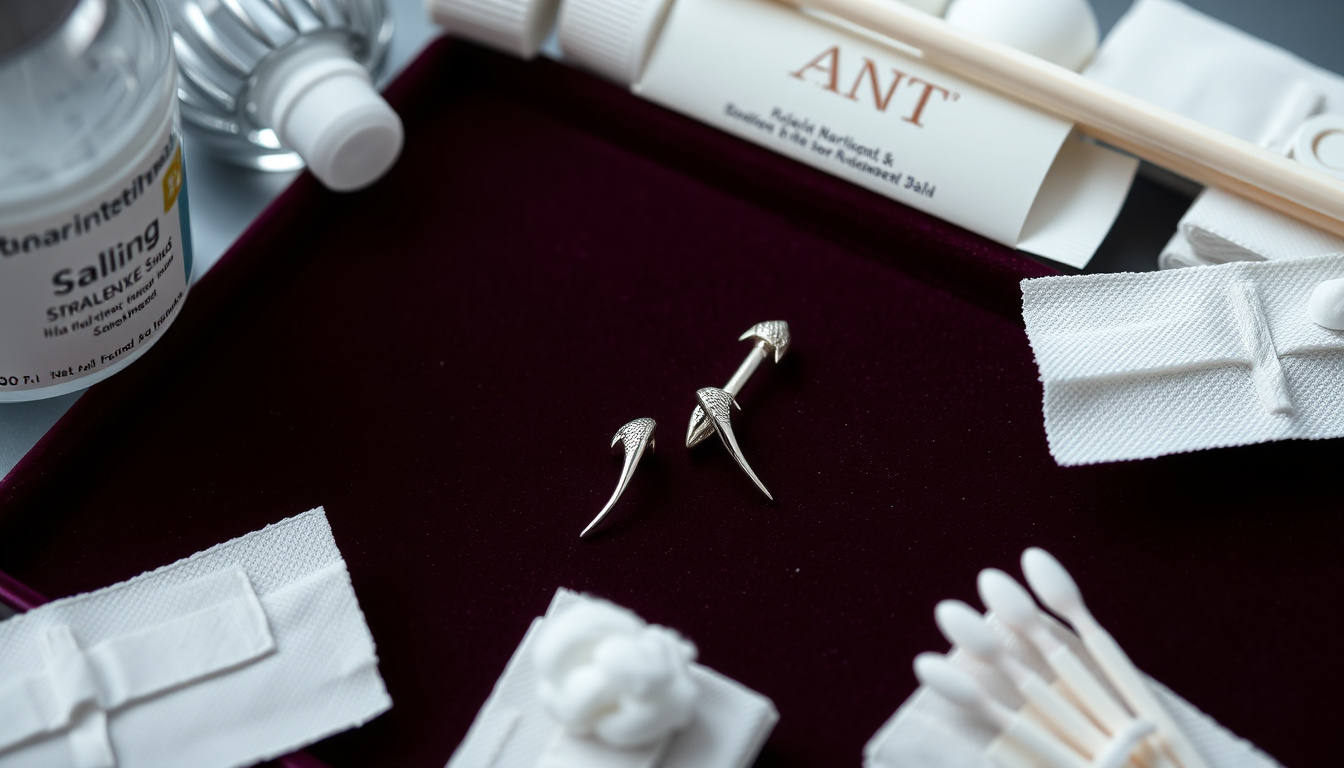

Snake bite piercings look effortlessly edgy in photos—but the reality involves permanent scars, weeks of careful aftercare, and restrictions that no Instagram caption mentions. Here’s everything you need to know before committing to the look.
Piercing Location: Two lower lip piercings on either side · Piercing Type: Pair of labret piercings · Common Jewelry: Labret studs or rings · Healing Notes from Users: Heals pretty well, leaves noticeable scars
Quick snapshot
- Snake bites are two labret piercings placed symmetrically on the lower lip (NeilMed Piercing Tips)
- Healing typically takes 2–3 months with proper aftercare (Healthline)
- Users report that they heal pretty well despite leaving noticeable scars (NeilMed Piercing Tips)
- Ranked among moderately painful piercings (BodyCandy Pain Guide)
- User reports: “don’t hurt for that long” after the initial procedure (BodyCandy Pain Guide)
- An experienced piercer helps minimize pain during insertion (BodyCandy Pain Guide)
- No consistent numerical pain scale (e.g., 1–10) reported across sources
- Exact rejection rates for snake bites lack documented percentages
- Pain tolerance varies significantly by individual
- Expect swelling for the first 3–5 days after getting pierced (Association of Professional Piercers)
- Downsize jewelry after 1–2 weeks once initial swelling reduces (NeilMed Piercing Tips)
- Full healing spans 4–8 weeks minimum, potentially extending to 2–3 months (NeilMed Piercing Tips)
Key specifications and user-reported outcomes for snake bite piercings.
| Label | Value |
|---|---|
| Definition | Two symmetrical lower lip piercings |
| Common Concerns | Pain, damage, scarring |
| Jewelry Type | Studs or rings |
| Minimum Healing Time | 4–8 weeks |
| Typical Healing Time | 6–8 weeks |
| Full Healing | 2–3 months |
| Cleaning Frequency | 2–3 times daily |
| Downsize Timing | 1–2 weeks post-piercing |
| Normal Swelling Duration | 3–5 days |
| Foods to Avoid | Spicy, salty, acidic for 2 weeks |
What Are Snake Bite Piercings?
Snake bite piercings are two labret piercings placed symmetrically on either side of the lower lip. Each piercing goes through the fleshy part of the lip, and jewelry—typically labret studs or small circular rings—is inserted immediately after the needle passes through. The look is intentionally symmetrical, giving the appearance of two fang marks hence the name.
Placement on lower lip
The piercings sit on the “snake bite” spots—typically centered between the lip edge and the vermilion border. Piercers mark the spots carefully before clamping the lip and using a hollow needle to create the channel. The procedure itself follows a standard sequence: skin disinfection, antibacterial mouth rinse, marking, clamping, needling, and jewelry insertion (Healthline).
Difference from other lip piercings
Unlike a single labret (centered below the lip) or a Monroe (single side, above the lip), snake bites specifically require two piercings done together. The paired placement means twice the swelling, twice the healing workload, and a higher chance of accidentally chomping down on jewelry when talking or eating. Some sources mention ear-based variants, but the primary context for “snake bite piercings” in the body mod world refers to lower lip placements (Impuria Guide).
The pairing creates a visual statement that single lip piercings can’t replicate—but that symmetry also means if one piercing rejects or migrates, the asymmetry becomes immediately visible.
How Painful Are Snake Bite Piercings?
Snake bites rank among the more uncomfortable facial piercings, though the pain is short-lived according to wearers. The procedure involves two needle passes through sensitive lip tissue, which generates a sharp, stinging sensation that most people describe as intense but brief.
Pain compared to other piercings
Industry guides consistently place lip piercings in the moderate-to-high pain category—roughly comparable to cartilage ear piercings or septum piercings, but more painful than lobe piercings. The BodyCandy Pain Guide notes that snake bites fall within this range, with wearers reporting that the initial sting fades quickly once the jewelry is in place.
Factors affecting pain
An experienced piercer makes a measurable difference. Clean technique, proper marking, and steady hands reduce tissue trauma. Individual pain tolerance, lip thickness, and whether the piercer uses clamps all influence the sensation. Swelling and tenderness in the first few days is normal—the Association of Professional Piercers (APP) guidelines confirm that oral piercings typically show swelling, bleeding, bruising, and secretion in the first 3–5 days.
How Damaging Are Snake Bite Piercings?
The “damage” question is where real-world experience diverges from glossy Instagram photos. Snake bites leave marks—sometimes permanent ones—and carry the same rejection and migration risks as any surface piercing through soft tissue.
Risk of rejection
Lip piercings sit in a high-movement area constantly exposed to saliva, food, and speech. Rejection occurs when the body pushes the jewelry toward the surface as it heals. Snake bites, being two parallel piercings, double the surface area exposed to this risk. Piercers advise watching for signs like the jewelry sitting higher on the lip, visible thinning of tissue between entry and exit points, or increasing redness that doesn’t resolve.
Scarring and long-term effects
User testimonials are candid: snake bites leave noticeable scars even after removal. A NeilMed guide notes that while they heal “pretty well,” the scars remain visible. Some wearers report small indentations at the piercing sites; others see hyperpigmentation or raised scar tissue. The Pierced.co Guide emphasizes that if infection is suspected, removing the jewelry is not advised—consulting a professional piercer or medical provider is the safer route.
Prolonged swelling, increasing pain after day 5, thick discharge (not the normal whitish-yellow crust), or fever signal possible infection. Do not remove the jewelry yourself—consult a piercer or healthcare provider.
Can You Still Kiss with a Snake Bite Piercing?
Practical intimacy questions rarely get addressed in piercing guides, which is ironic since snake bites sit directly on the mouth. The short answer: yes, kissing is possible—but the healing period requires adjustments.
Kissing tips
During the initial healing phase (the first 4–6 weeks), piercers strongly advise against oral sexual contact. The APP guidelines explicitly list “oral sexual contact” among activities to avoid while healing (Association of Professional Piercers). Beyond that restriction, wearers learn to be mindful of jewelry positioning—pressing lips together in ways that keep the studs or rings from scraping a partner’s teeth or lips. Some people find that circular rings cause less direct contact than flat-backed studs.
Initial healing challenges
Excessive talking, gum chewing, and playing with jewelry are all flagged as behaviors that delay healing and increase irritation. The Healthline guide recommends avoiding these during the healing window. For couples where one partner has snake bites and the other doesn’t, open communication about pressure and positioning becomes essential during those first weeks.
You can kiss with snake bites—but not during the first month, and not carelessly. The healing demands restraint that casual makeout sessions don’t allow. The payoff is a look that many wearers say is worth the temporary inconvenience.
Snake Bite Piercing Aftercare and Healing
Aftercare is where most snake bite piercings succeed or fail. The routine is straightforward but unforgiving: consistency matters more than anything fancy.
Healing time
Minimum healing sits at 4–8 weeks, with typical full healing ranging from 6–8 weeks according to multiple sources including Bodyartforms and NeilMed. Extended healing up to 2–3 months occurs when aftercare is inconsistent or individual health factors interfere. The Healthline article (medically reviewed March 11, 2021) states that healing depends heavily on how closely aftercare instructions are followed.
Jewelry and cost info
Initial jewelry is typically longer than final jewelry to accommodate post-piercing swelling. Once swelling subsides—usually after 1–2 weeks—downsizing to a shorter barbell or ring reduces the risk of accidentally chomping on the jewelry during speech or eating (NeilMed Piercing Tips). Do not change the jewelry until fully healed; early swaps risk introducing bacteria or damaging the healing channel.
Variations like male or tongue
Snake bites aren’t gender-specific—anyone can get them. Some piercing blogs distinguish “male snake bites” as a styling choice where wearers opt for larger or more aggressive-looking jewelry, but the piercing itself is identical. A “tongue snake bite” is not a standard term; the tongue piercing equivalent would be paired side piercings on the tongue, which is rare and carries higher risk due to tongue vascularity.
Upsides
- Distinctive, bold aesthetic that stands out
- Healing relatively straightforward with consistent care
- Jewelry options (studs vs. rings) allow style shifts after healing
- Reversible if you later remove jewelry (though scars remain)
Downsides
- Permanent visible scarring even after removal
- Rejection and migration risk is real
- Healing restricts kissing, oral contact, and certain foods
- Double the swelling and care workload of a single lip piercing
Snake Bite Piercing Care Steps
A step-by-step routine based on official aftercare guidelines from professional piercing organizations and medically reviewed sources.
- Morning rinse: Swish sterile saline or saltwater in your mouth upon waking. Clean the outside of the piercing with saline on a cotton pad.
- Post-meal cleaning: Rinse after every meal to remove food debris from the piercing channels. Use plain water or saline—avoid mouthwash containing alcohol.
- Midday saline spray: Apply saline solution to the front and back of the piercing 2–3 times daily as recommended by NeilMed.
- Evening oral hygiene: Before bed, rinse with saline and brush gently with a soft toothbrush. The Healthline guide recommends good oral hygiene throughout the healing process.
- Downsize check at 1–2 weeks: Return to your piercer once swelling reduces to swap initial longer jewelry for appropriately sized pieces.
- Foods to avoid: Skip spicy, salty, acidic, and hot foods for at least 2 weeks. Stick to soft foods like smoothies or mashed potatoes in the early days per APP guidelines.
- What to skip: No alcohol-based mouthwash, no smoking, no gum chewing, no oral sexual contact, no swimming in pools or tubs until fully healed.
The APP guidelines note that emotional stress can increase healing times by up to 40%—meaning your aftercare routine and your stress levels both factor into how quickly (or slowly) snake bites heal.
Clarity on Snake Bite Piercings
What we know for sure
- Snake bites are two labret piercings on the lower lip—verified across every source
- Healing spans 4–8 weeks minimum, extending to 2–3 months with variable factors
- Cleaning 2–3 times daily with saline is the universal recommendation
- Users report they heal “pretty well” but leave visible scars
- Downsizing jewelry after 1–2 weeks reduces chomping risk
- Swelling, tenderness, and light discharge in the first 3–5 days is normal
What remains unclear
- No reliable numerical pain scale exists across sources
- Exact rejection or migration rates aren’t documented
- No standardized cost data across regions
- Limited data on long-term tissue changes beyond scarring
“I love my snake bites! They heal pretty well and don’t hurt for that long. They do leave some pretty noticeable scars though.”
— Reddit user, Snake Bites Wearer Community
“Snakebite piercings are an extremely popular piercing, comprising two lower lip piercings. They have a distinct aesthetic appeal that draws people in.”
— A piercing studio staff member
The tension between style and real-world experience is where snake bites reveal their true nature. On screen, in photos, they look clean and effortless. In practice, they demand daily attention, permanent marks, and several weeks of lifestyle adjustment. For people committed to the look, that trade-off feels worth it. For those on the fence, understanding the healing reality prevents post-piercing regret.
For anyone considering snake bite piercings, the choice is relatively clear: go in informed. Find an experienced piercer, commit to the aftercare routine without shortcuts, and accept that the scars are permanent even if the jewelry isn’t. The look makes a statement—but only if you’re ready for the maintenance that comes with it.
Related reading: Bubble Skin Care Reviews · Chemist Warehouse Services
Snake bite piercings demand vigilant aftercare to avoid infections, presenting symptoms much like those in infected belly button piercings during the 4–8 week healing phase.
Frequently asked questions
What jewelry is best for snake bite piercing?
Internally threaded labret studs or seamless ring CBRs are the most commonly recommended options. Initial jewelry should be longer to accommodate swelling, then downsized after 1–2 weeks. Consult your piercer about appropriate sizing for your lip anatomy.
How much does a snake bite piercing cost?
Costs vary by studio, location, and piercer experience. Typically, each piercing runs $30–$60, so a pair costs $60–$120+ before jewelry. High-quality titanium or implant-grade steel jewelry adds to the total. Reputable studios often include initial jewelry in the piercing fee.
What is snake bite piercing on the tongue?
“Tongue snake bite” isn’t a standard terminology. The closest equivalent would be paired piercings on either side of the tongue, but this is uncommon due to the tongue’s high vascularity and movement. Most “snake bite” references in piercing contexts refer to lower lip placements.
Can men get snake bite piercings?
Absolutely. Snake bites are not gender-specific. Some styling communities differentiate “male snake bites” based on jewelry choice (larger or more geometric pieces), but the piercing procedure and anatomy are identical for any gender.
How long does snake bite piercing take to heal?
Minimum healing is 4–8 weeks according to NeilMed. Typical full healing lands at 6–8 weeks, with extended healing up to 2–3 months depending on aftercare consistency, individual health, and stress levels.
What piercing rejects the most?
Surface piercings through soft tissue tend to have higher rejection rates than piercings through stable cartilage or fleshy areas. Lip piercings like snake bites are surface-adjacent and carry moderate rejection risk—particularly if jewelry is too shallow, quality is low, or aftercare is neglected.
What are the top 3 most painful piercings?
Industry guides generally place nipple piercings, genital piercings, and lip/surface oral piercings in the highest pain categories. Snake bites rank in the moderate-to-high range within that group—painful, but the procedure is brief and the pain doesn’t persist long after insertion.

Daniel Harper is Editor-in-Chief at Coast Brief, overseeing editorial standards, publication decisions and corrections.