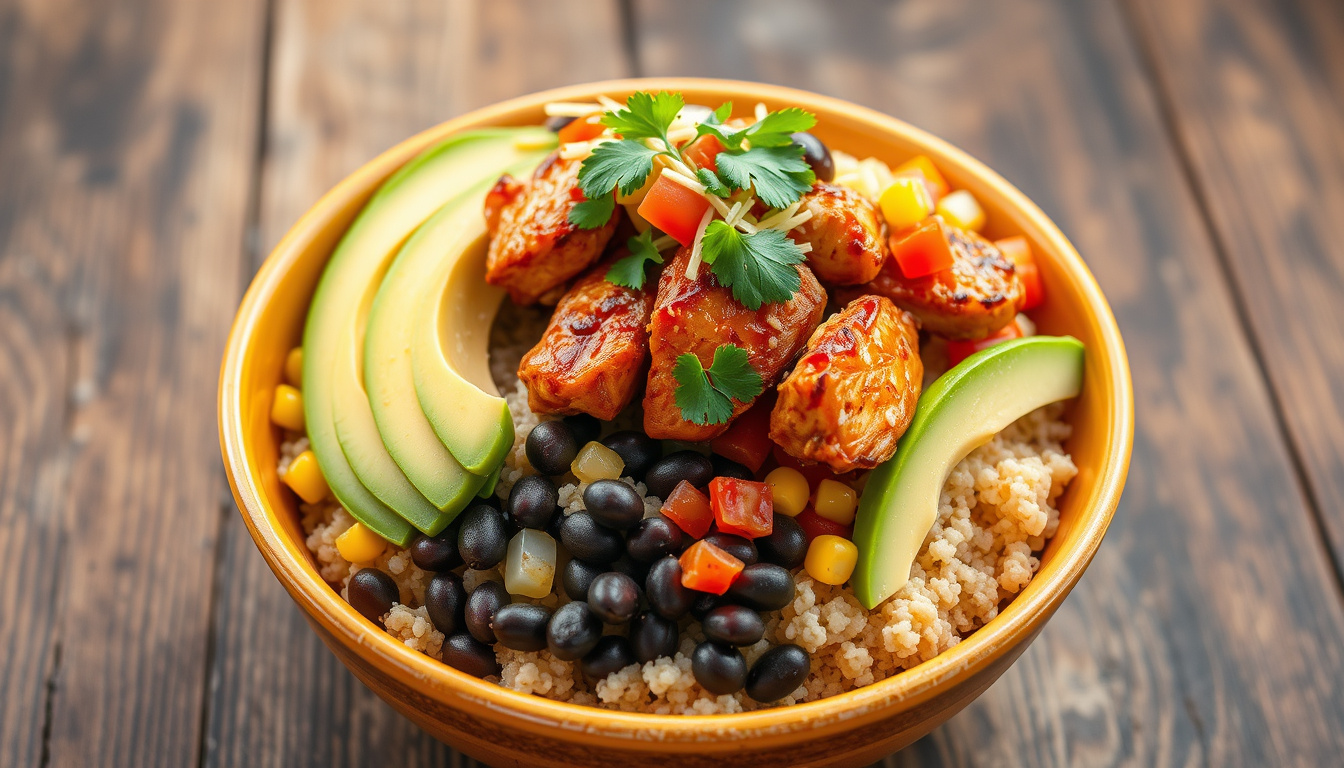

A burrito bowl strips away the tortilla to focus on what matters most: bold flavors, quality protein, and fresh toppings. The result is a satisfying meal that delivers the essence of a burrito in a format that lends itself to customization, meal prep, and dietary adaptations.
The concept gained mainstream popularity through fast-casual chains in the early 2000s, where customers discovered they could enjoy the flavors of a fully loaded burrito without the carbs or动手 effort of wrapping. Since then, home cooks have embraced the format as a flexible canvas for everything from weeknight dinners to intentional meal prep.
This guide covers everything from core ingredients to nutrition breakdowns, with practical advice for anyone looking to build a better bowl at home.
How Do You Make a Burrito Bowl?
Key Things to Know
- The recipe works with either grilled chicken or pressure-cooked chicken, depending on available equipment and time preferences.
- Quinoa provides more fiber and protein compared to white or brown rice as a base.
- The bowl format makes it easy to accommodate low-carb, keto, vegetarian, or gluten-free needs without altering the overall approach.
- Batch cooking the components separately allows for grab-and-go lunches throughout the week.
- Chicken stays fresh refrigerated for 4–5 days and freezes well for 2–3 months when stored with salsa.
Nutrition Snapshot Per Serving
| Component | Calories | Protein (g) | Notes |
|---|---|---|---|
| Quinoa base (½ cup cooked) | 111 | 4 | Cilantro-lime flavor; higher fiber than rice |
| Chicken breast (4 oz) | 147 | 30 | Grilled or pressure-cooked |
| Pinto or black beans (¼ cup) | 65 | 4 | Rinsed; adds fiber |
| Avocado (⅛ whole) | 40 | 0.5 | Healthy monounsaturated fat |
| Salsa (¼ cup) | 20 | 0 | Adds moisture and flavor |
| Cheddar cheese (1 tbsp) | 38 | 2 | Optional; omit for dairy-free |
Calorie counts vary based on portions and toppings selected. Using cauliflower rice instead of quinoa reduces total carbohydrates from approximately 32g to 8g per serving, making it suitable for lower-carb eating patterns.
What Ingredients Go in a Burrito Bowl?
A burrito bowl relies on layered components that each contribute flavor, texture, and nutrition. The structure remains consistent across recipes, with flexibility in how each layer is prepared.
Protein
Chicken is the most common protein, typically 1 pound of boneless, skinless breasts or thighs. The meat is seasoned with chipotle in adobo for smokiness, cumin for warmth, and garlic powder for depth. A standard seasoning blend includes 1 tablespoon of chopped chipotle, ½ teaspoon cumin, ½ teaspoon garlic powder, and ¼–½ teaspoon salt, with olive oil and salsa to finish.
Base
The base anchors the bowl and determines its nutritional character. Quinoa cooked with lime and cilantro offers a fresh, aromatic foundation with more protein than traditional rice. Cauliflower rice serves as a low-carb alternative that works well for keto or Whole30 eating patterns. Recipes typically call for ½–1 cup of uncooked quinoa or half a head of cauliflower florets.
Beans and Vegetables
One cup of rinsed canned pinto or black beans adds fiber and plant-based protein. Vegetables typically include 2 cups of shredded romaine lettuce, a diced avocado, pico de gallo or salsa, a cup of halved cherry tomatoes, a small diced red onion, and optional corn. Fresh lime juice from 1–4 limes and ½ cup of chopped cilantro brighten the entire bowl.
Toppings
Toppings finish the bowl with texture and flavor contrast. Standard options include shredded cheddar cheese, green onions, jalapeño slices, and lime wedges for squeezing over everything. Sour cream, Greek yogurt, and fresh pico de gallo round out the flavor profile.
Layer ingredients from bottom to top: base first, then beans, protein, vegetables, and finally toppings. This order prevents sogginess and ensures each component stays visible and accessible.
Chicken Burrito Bowl Recipe and Variations
Stovetop or Grill Method (30 Minutes Total)
This approach delivers the most pronounced smoky, charred flavor that approximates fast-casual chain quality. Start by cooking quinoa in 1–2 cups of water for 18–22 minutes until tender. While the quinoa cooks, season the chicken with the chipotle blend and grill over medium-high heat until reaching 165°F, approximately 3–5 minutes per side. Let the chicken rest briefly before chopping into bite-sized pieces. Assemble each bowl with ½ cup quinoa, ½ cup chicken, lettuce, beans, and your choice of toppings.
Instant Pot Method (20–30 Minutes)
The pressure cooker offers a hands-off alternative that works especially well for meal prep. Place chicken in the pot along with salsa, cumin, chipotle, and salt. Pressure cook on high for 20 minutes for thighs or 9–20 minutes for breasts, then release pressure naturally or quickly. Add corn during the final 2 minutes, or add cauliflower florets to make cauliflower rice directly in the pot. The chicken shreds easily in the remaining sauce, which concentrates flavor.
Variation Options
- Vegetarian: Omit chicken entirely and increase beans to 1½ cups. Add crumbled tofu or grilled vegetables like zucchini and bell peppers for protein and substance.
- Steak or carnitas: Substitute chicken with sliced skirt steak or slow-cooked pork shoulder seasoned with traditional Mexican spices.
- Ground beef or turkey: Brown the meat with taco seasoning and use as a protein layer for a different texture profile.
- Low-carb or keto: Replace quinoa with cauliflower rice or a lettuce base. Skip beans and add guacamole, olives, or extra cheese to increase fat content.
- Corn-free: Omit corn and tomatoes to reduce total carbohydrate content further.
Chipotle peppers in adobo sauce carry significant heat. Start with 1 tablespoon of chopped peppers and adjust upward based on heat tolerance. Those sensitive to spice should reduce to ½ tablespoon or substitute with smoked paprika for flavor without the burn.
Burrito Bowl Nutrition Facts and Calories
Nutritional profiles shift considerably based on which base and toppings are selected. The quinoa chicken version provides a balanced macronutrient profile with substantial protein, making it suitable for active individuals or those building muscle.
Comparing Base Options
| Recipe Version | Calories | Carbs | Fiber | Protein | Fat |
|---|---|---|---|---|---|
| Quinoa Chicken Bowl | 421 | 32g (23g net) | 9g (32% DV) | 35g | 18g |
| Cauliflower Rice Instant Pot | 167 | 8g | 2g | 26g | 3g |
| Grilled Quinoa Version | 452 | 36g | 9g | 36g | 19g |
| Chicken Only (4 oz) | 147 | 0.3g | Negligible | 27g | 3.3g |
The quinoa version delivers 62% of the daily value for protein per serving, along with 22% of daily potassium needs. Two cups of cooked quinoa contribute approximately 222 calories, 39g of carbohydrates with notable fiber content, 8g of protein, and 41% of daily iron requirements.
Those tracking fitness metrics may find it useful to cross-reference these figures with tools like a VO2 Max Chart when planning meals around training cycles. Combining high-protein bowls with cardiovascular fitness tracking creates a more complete picture of nutritional needs.
Burrito Bowl vs Burrito
The primary difference lies in the carbohydrate content. A traditional flour tortilla adds 290–320 calories and 50–60g of carbohydrates, while corn tortillas are slightly lower at 200–250 calories. The bowl format eliminates this component entirely, which appeals to those reducing carbohydrate intake or prioritizing protein density per calorie.
Actual calorie counts depend heavily on portion sizes. Restaurant servings frequently exceed home-prepared portions by 50% or more. Using a recipe calorie calculator helps establish accurate counts before assembling bowls.
Tips for Make-Ahead and Storage
Meal Prep Strategy
Cooking components in batches on a single day simplifies weeknight eating. Prepare chicken and quinoa together, then store each component separately in airtight containers for up to 4 days in the refrigerator. This approach eliminates daily cooking while keeping ingredients fresh.
Assembly Timing
Combine ingredients fresh at serving time whenever possible. Pre-assembled bowls become soggy as liquids from salsa, lettuce, and tomatoes migrate downward through the layers. Store components separately and assemble each morning or during lunch breaks for optimal texture.
Freezing and Reheating
Cooked chicken freezes well for 2–3 months when sealed properly. Thaw overnight in the refrigerator and reheat in a skillet with a splash of salsa to restore moisture. Quinoa does not freeze well, so prepare only what will be used within 3–4 days. Those who want to incorporate fitness wearables into their meal planning can use a Garmin Heart Rate Monitor to track activity levels that correspond with carbohydrate intake needs.
Instant Pot Advantages
The pressure cooker excels in meal prep scenarios because it handles protein with minimal active involvement. Set it and walk away while the chicken cooks and shreds in its own sauce. The resulting meat pulls apart effortlessly and absorbs the chipotle seasoning deeply.
Double or triple the recipe to stock the fridge for weekday lunches. Four servings provide a foundation that adapts through different topping combinations, preventing boredom while maintaining nutrition goals.
Sources and Expert Perspectives
Nutritional data in this guide draws from multiple recipe developers and food databases that publish verified macronutrient information. The USDA FoodData Central provides foundation nutrient values for ingredients like quinoa, chicken, and beans. Individual recipe calculators from platforms like Chipotle’s nutrition calculator offer comparison points for restaurant versions.
Recipe developers and food bloggers including those at Well Plated, Skinnytaste, and Detoxinista provide tested preparation methods with ingredient-specific nutritional breakdowns. Their approaches to seasoning, cooking technique, and portion sizing inform the guidance in this article.
Summary
A burrito bowl succeeds because it balances flavor, nutrition, and convenience in a single format. The core structure—base, protein, beans, vegetables, and toppings—remains constant while individual components flex to accommodate different dietary needs. Whether using quinoa for fiber or cauliflower rice for low-carb eating, the approach delivers satisfaction without requiring advanced cooking skills. Batch cooking and strategic storage make it practical for anyone building healthy eating habits throughout the week.
Frequently Asked Questions
What is a burrito bowl?
A burrito bowl is a deconstructed burrito served without a tortilla. It layers a grain or vegetable base with protein, beans, vegetables, and toppings in a bowl format.
What’s the difference between a burrito bowl and a burrito?
The primary difference is the absence of a tortilla wrapper. This reduces carbohydrate content significantly while maintaining the same flavor profile and component structure.
Can you freeze a burrito bowl?
Individual components freeze well. Chicken keeps for 2–3 months when frozen with salsa. Quinoa and fresh vegetables do not freeze successfully, so store those separately.
How do you make a quinoa burrito bowl?
Cook ½–1 cup of uncooked quinoa in water until tender, typically 18–22 minutes. Season with lime juice, cilantro, and olive oil for a fresh base, then layer with standard toppings.
What’s the fastest way to make a burrito bowl?
Use an Instant Pot to cook chicken with salsa and seasonings in one pot for 20 minutes. Prepare a quick base like microwaveable cauliflower rice while the pressure cooker releases pressure naturally.
Is a burrito bowl good for meal prep?
Yes. Cook chicken and quinoa in batches, store components separately, and assemble fresh each morning. Components stay fresh for 4–5 days refrigerated.
What toppings are best for a burrito bowl?
Shredded lettuce, diced tomatoes, avocado, salsa, cheese, cilantro, lime wedges, jalapeños, and sour cream represent the standard selection. Customize based on dietary preferences and nutritional goals.

Rachel Walsh leads fact-checking, source verification and corrections at Coast Brief.